

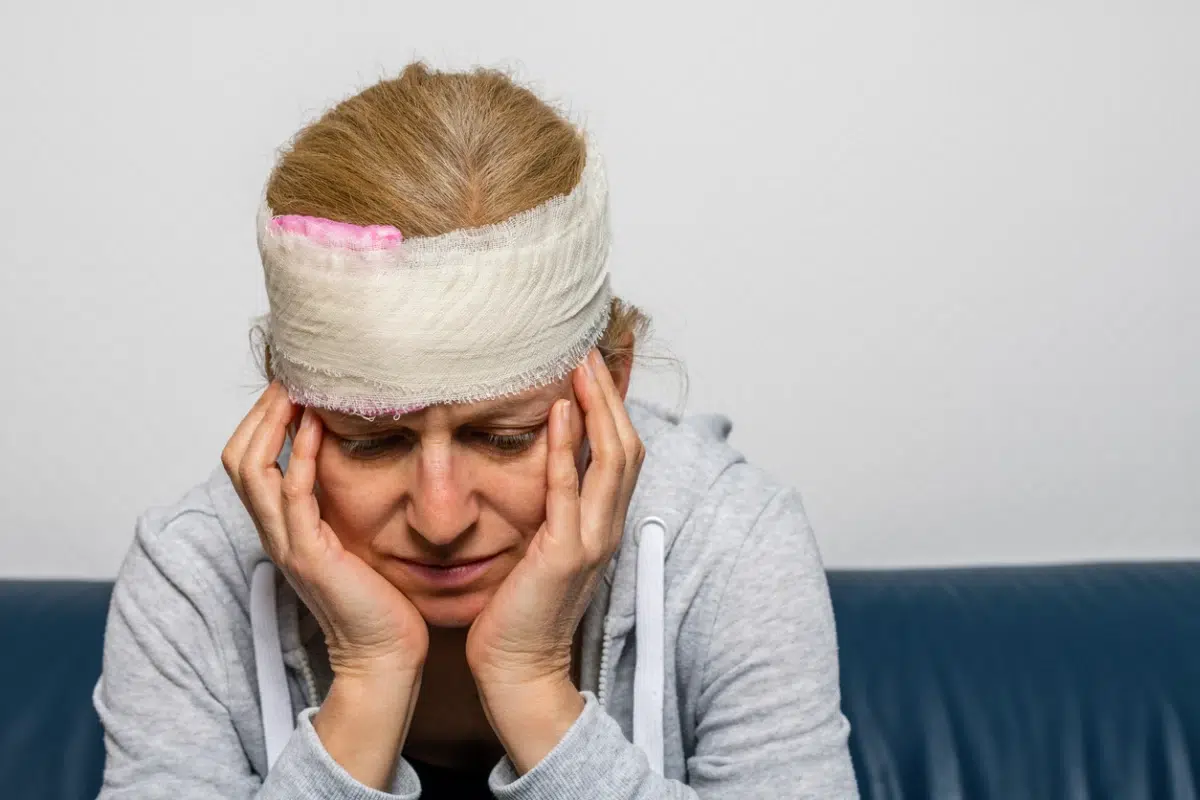


When it comes to head injuries, the terms “concussion” and “traumatic brain injury” (TBI) are often used interchangeably. However, while a concussion is indeed a type of TBI, not all TBIs are concussions. Understanding the difference between concussion and traumatic brain injury is vital for individuals who have suffered a head injury and for those helping them navigate the path to recovery.
The experienced team at Delfino Green & Green provides comprehensive legal support for those affected by a concussion or brain injury. We are committed to helping our clients in San Francisco and throughout California understand the medical and legal facets of their cases. This article will explain these differences, including how symptoms vary, how injuries are classified, and what treatment options are available.
Difference Between Concussion and Traumatic Brain Injury Explained
So, let’s clear up the main point of confusion from the start: a concussion is a type of traumatic brain injury. The term “traumatic brain injury” is a broad umbrella that covers a wide spectrum of moderate or severe TBIs caused by an external force. Think of it like the term “dementia”; Alzheimer’s is a specific type of dementia. Similarly, a concussion is a specific—and the most common—type of TBI.
A traumatic brain injury (TBI) is officially defined as a disruption in normal brain function that can be caused by a bump, blow, or jolt to the head or a penetrating head injury. The external force sets the brain in motion, causing it to collide with the inside of the skull. This impact can damage brain cells, bruise the brain, or tear delicate nerve cells.
The consequences of a TBI can range from temporary, fleeting symptoms to permanent, life-threatening problems with brain function. These TBIs affect a person’s cognitive abilities (thinking, memory, concentration), physical coordination (movement, balance), communication skills (speech, understanding), and emotional regulation (behavior, personality).
Brain injuries are often categorized in two ways:
- Primary Injury: This is the immediate damage that occurs at the moment of impact. It includes things like skull fractures, brain contusions (bruises), and the tearing of nerve fibers (diffuse axonal injury). This damage is instantaneous and cannot be reversed.
- Secondary Injury: This refers to the chain reaction of harmful changes that unfold in the hours, days, and even weeks following the initial incident. This can include brain swelling (cerebral edema), increased pressure inside the skull, seizures, and inflammation. Much of the medical treatment for TBI is focused on preventing or minimizing this secondary damage.
Furthermore, head injuries are classified into two main types based on the nature of the trauma:
- Non-Penetrating TBI (Closed Head Injury): This is the more common type. It occurs when an external force causes the brain to move violently within the skull, but the skull itself is not broken through. Examples include concussions from a car accident, a fall, or a sports collision.
- Penetrating TBI (Open Head Injury): This type of injury happens when an object pierces the skull and enters the brain tissue. Common causes include gunshot wounds or being struck by a sharp object.
While falls are the most common cause of traumatic brain injuries overall—especially among young children and older adults—other leading causes include motor vehicle accidents, being struck by an object, and assaults. Understanding these fundamental classifications is the first step in appreciating the complexities of head injury classification in San Francisco and beyond.
Understanding Traumatic Brain Injury Symptoms
The symptoms of a TBI can be as varied as the injuries themselves. They depend on the severity of the injury and the specific part of the brain that was affected. Recognizing these signs is critical for getting prompt medical help.
Physical Symptoms of Injury
Immediately following a TBI, a person might experience a range of physical symptoms. For milder injuries like a concussion, these often include:
- Headache
- Dizziness or problems with balance
- Nausea or vomiting
- Fatigue or drowsiness
- Sensitivity to light or sound
- Blurred vision
- Confusion or feeling “in a fog”
For many, these TBI vs. concussion symptoms will gradually improve over days or weeks with proper rest and management. However, it’s also common for emotional symptoms to surface during recovery. A person might feel unusually irritable, sad, anxious, or easily frustrated. These mood changes are a direct result of the injury to the brain and are a normal part of the healing process.
It is crucial to seek immediate medical attention if a person experiences any of the following symptoms within the first 24 to 48 hours after a head injury, as they can indicate a more severe TBI:
- Loss of consciousness for more than a few seconds
- One pupil is larger than the other
- Convulsions or seizures
- Repeated vomiting
- Worsening headache that does not go away
- Slurred speech
- Weakness or numbness in the arms or legs
- Inability to wake up
More severe TBIs can involve significant physical events like brain swelling, which increases pressure inside the rigid confines of the skull and can cause widespread secondary damage. Skull fractures can also occur, sometimes driving fragments of bone into the brain tissue itself.
What is the difference between a TBI and an mTBI?
This is another common point of confusion. An mTBI is a “mild” traumatic brain injury. A concussion is the classic example of an mTBI. The term “mild,” however, can be dangerously misleading. Any injury to the brain is a serious medical event. The “mild TBI medical definition” is used by doctors to classify the injury’s severity based on specific clinical signs, such as the length of amnesia or loss of consciousness. It does not mean the injury’s effects are insignificant. Many individuals with an “mTBI” experience debilitating symptoms that affect their ability to work, study, and enjoy life for months or even years.
Can a concussion turn into a TBI?
This question stems from the initial confusion. A concussion doesn’t “turn into” a TBI because it already is one from the very beginning. A better way to frame the question is, “Can the effects of a concussion worsen or lead to a more severe diagnosis?” The answer is yes. Improper management, such as returning to strenuous activity too soon or suffering a second impact before the first has healed (known as second impact syndrome), can exacerbate the injury and lead to more severe, long-term consequences. This is why proper brain injury diagnosis in San Francisco medical centers is so focused on careful monitoring and follow-up.
What Is the Difference Between Traumatic Brain Injury and Post-Concussion Syndrome?
While a traumatic brain injury (TBI) refers to any disruption in brain function caused by an external force, post-concussion syndrome (PCS) is a complication that can follow a concussion, which is a type of mild TBI. The key difference lies in the duration, persistence, and worsening symptoms.
A TBI—whether mild, moderate, or severe—causes immediate physical, cognitive, and emotional symptoms. In most concussion cases, these symptoms resolve within a few weeks. However, PCS is diagnosed when concussion symptoms persist for an extended period, typically longer than three months, without other identifiable causes.
Common symptoms of PCS include:
- Chronic headaches
- Persistent dizziness or balance issues
- Difficulty concentrating or thinking clearly (commonly called “brain fog”)
- Short-term memory issues
- Sleep disturbances
- Anxiety, irritability, and depression
PCS is more likely to develop in individuals with a history of multiple concussions, pre-existing mental health conditions, or insufficient rest following the initial injury. The pathophysiology of PCS is still not fully understood, but it is believed to involve both neurological and psychological components.
Diagnosis of PCS is clinical and based on the patient’s symptom history. Imaging may not show abnormalities, even when symptoms are severe. Treatment focuses on symptom management and can involve a multidisciplinary approach, including cognitive therapy, medication for pain or mood regulation, vestibular therapy, and gradual return to activity.
In essence, while all PCS cases stem from a TBI, not all TBIs will progress to PCS. PCS underscores the fact that even a mild brain injury can result in long-term impairment, emphasizing the need for timely medical evaluation and comprehensive care.
Role of a Healthcare Provider
Healthcare providers are essential in diagnosing and treating TBIs and concussions. Diagnosis usually begins with a physical examination and may involve:
- Neurological assessments
- Blood tests
- Imaging (CT scans, MRIs)
Medical professionals will evaluate lasting symptoms, assess injury history, and may recommend neuropsychological tests to understand cognitive impacts. A key part of recovery is the gradual return to normal activity, which a healthcare provider can help monitor.
For severe TBIs, providers may need to relieve pressure inside the skull, manage brain swelling, or perform surgery. Long-term care may involve physical therapy, occupational therapy, and mental health support.
Emergency Room Care for Severe TBI
Severe traumatic brain injuries are medical emergencies that require immediate and comprehensive care to prevent increased risks of permanent damage or death. Emergency room (ER) care for severe TBI focuses on rapid stabilization, assessment, and intervention. The primary objective is to prevent secondary brain injury—additional damage that occurs after the initial trauma due to swelling, bleeding, or oxygen deprivation.
Key steps in emergency room care for severe TBI include:
- Stabilizing the patient’s vital signs: Emergency personnel focus on maintaining adequate oxygen supply, ensuring proper blood circulation, and stabilizing blood pressure to preserve brain function.
- Advanced neurological assessment: Doctors perform a Glasgow Coma Scale (GCS) evaluation to determine the patient’s level of consciousness. This helps categorize the severity of the TBI and guide treatment decisions.
- Imaging and diagnostics: A CT scan is typically the first-line imaging tool used to detect bleeding, fractures, and swelling. An MRI may be performed to provide a more detailed view of soft tissue damage.
- Administering medications: Medical staff may give diuretics to reduce intracranial pressure, anticonvulsants to prevent seizures, or sedation to minimize brain activity and metabolic demands.
- Surgical interventions: If imaging reveals brain hemorrhaging, skull fractures, or significant swelling, neurosurgeons may perform procedures such as a craniotomy to relieve pressure or repair damaged tissue.
- Monitoring intracranial pressure (ICP): In cases of swelling or bleeding, an ICP monitor may be inserted into the skull to continuously track pressure levels inside the brain. This allows for real-time adjustments in treatment.
- Supportive critical care: Patients with severe TBI may be intubated and placed on mechanical ventilation. Intensive monitoring continues in the ICU to manage complications like respiratory failure, infections, or organ dysfunction.
Timely and coordinated ER care is crucial for limiting long-term problems. Multidisciplinary teams—including emergency physicians, neurologists, neurosurgeons, and trauma nurses—work in concert to stabilize the patient and develop an immediate care plan. Once the patient is stable, transfer to a neurotrauma or rehabilitation unit typically follows for further specialized treatment and recovery planning.
Head Injury Prevention
While you can treat TBIs, preventing them in the first place is always the best course of action. Head injury prevention is a matter of public health and personal responsibility. Simple, common-sense measures can dramatically reduce the risk of traumatic brain injuries.
- Wear Protective Gear: This is non-negotiable. Always wear a well-fitting helmet for activities like biking, skateboarding, skiing, and playing contact sports. Helmets are proven to significantly lower the risk of severe TBI. Similarly, always wear a seat belt in a motor vehicle.
- Create Safe Environments: For seniors, who are at a high risk of falls, this is particularly important. Fall prevention measures include removing tripping hazards like loose rugs, improving lighting, installing grab bars in bathrooms, and using non-slip mats. For young children, installing window guards and using safety gates near stairs can prevent devastating falls.
- Drive Safely: Never drive under the influence of alcohol or drugs. Avoid distractions like texting while driving. Adhering to traffic laws protects not only you but everyone else on the road from auto accidents.
- Education and Awareness: Understanding the risks associated with certain activities and recognizing the signs of a TBI are key to prevention. Public awareness campaigns and educational programs in schools and communities play a vital role in keeping people safe.
Conclusion: Your Path Forward After a Head Injury
We’ve covered a lot of ground, from the fundamental difference between concussion and traumatic brain injury to the critical importance of prevention and research. The key takeaway is this: any blow to the head has the potential to cause a serious injury with significant, long-term consequences. A concussion is a TBI, and no brain injury should ever be dismissed as “just a bump on the head.”
Understanding the types of brain injuries explained in this article is the first step. The second, and most crucial, is to seek prompt medical attention after any suspected head injury to prevent further brain damage and set the stage for the best possible recovery. Finally, always prioritize prevention by wearing protective gear and following safety guidelines.
If you or a family member has suffered a traumatic brain injury due to someone else’s negligence in San Francisco or anywhere in California, the road ahead can feel daunting. Medical bills pile up, work is missed, and the emotional toll is immense. At Delfino Green & Green, we understand the profound impact these injuries have. Our dedicated team is here to lift the legal burden from your shoulders so you can focus on healing. We have the experience to investigate your case, establish liability, and fight for the full compensation you deserve.
Contact us today for a free, no-obligation consultation to discuss your case.
Disclaimer: This content is for informational purposes only and does not constitute legal advice. For personalized legal assistance, please contact Delfino Green & Green directly.