

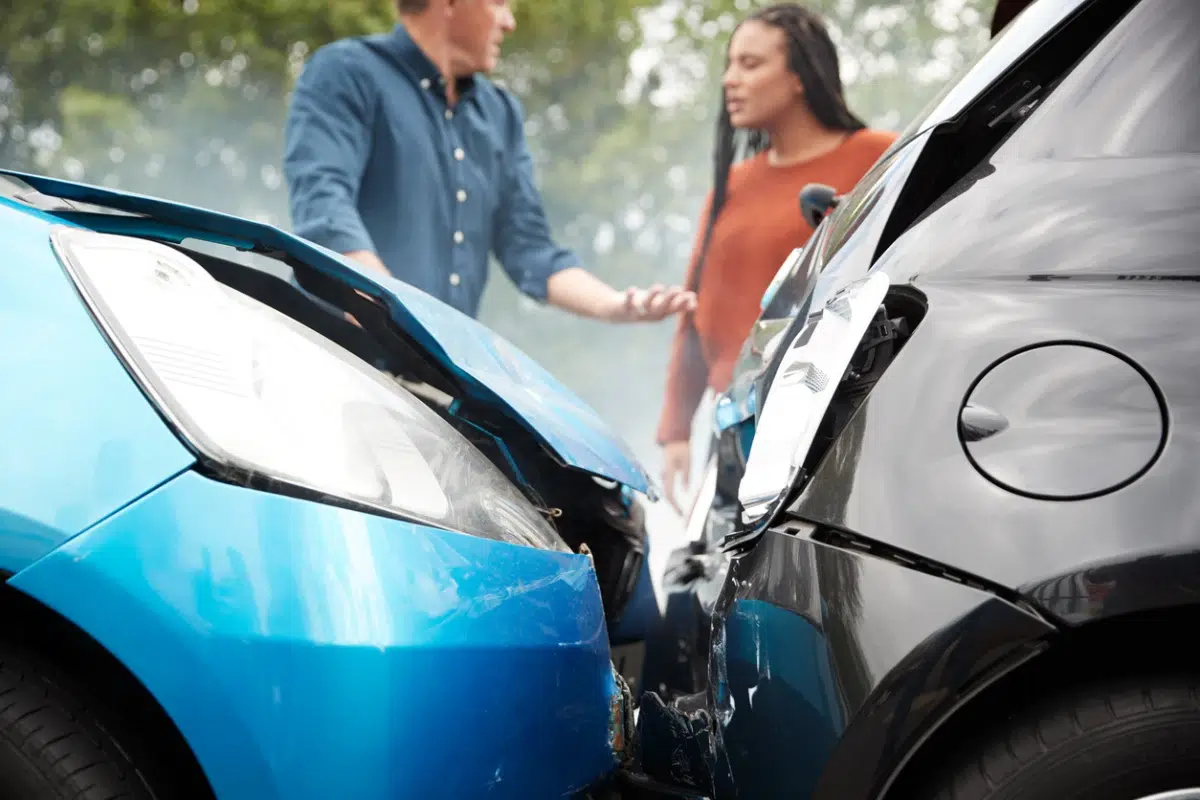


In the moments following a car collision, your first thought is likely about your well-being and that of the other driver. But once the dust settles and you realize you’ve escaped physical harm, a new wave of stress can set in. Your car, your primary mode of transportation, is damaged. How will you get to work? How will you pay for the repairs? It’s important to review your insurance coverage after an accident, as it can significantly affect your options for paying for repairs and recovering damages. This is a situation many drivers in San Francisco face, and it naturally leads to the question: Can you sue someone for a car accident without injury?
The short answer is yes, you absolutely can. While many associate lawsuits with physical harm, the legal system provides a path to recover costs for property damage and other non-physical losses. At Delfino Green & Green, our team of experienced San Francisco car accident attorneys has helped countless clients navigate the aftermath of a collision. If you’ve been in an accident, understanding the full scope of your personal injury rights is the first step toward resolution. You should also review your insurance policies, including uninsured motorist coverage, to know what compensation you may be entitled to for vehicle repairs and other losses.
Can I Sue for a Car Accident Without Injuries?
Yes, absolutely. California law permits individuals to sue for damages stemming from an auto accident even if no physical injuries occurred. These claims typically involve property damage only, but may also include compensation for emotional distress, loss of use, and even diminished vehicle value. Lawsuits can help cover property damage when insurance is insufficient.
For instance, let’s say the repairs to your car cost $6,000, but the at-fault driver’s insurance company only agrees to pay $3,000. You have the legal right to dispute that amount and pursue a lawsuit for the full value of the damages. If the accident also disrupted your life—such as missed work, causing anxiety, or making you fearful of driving again—you might also pursue compensation for non-economic damages. Missed work is a compensable loss that can be included in your claim.
It’s important to remember that compensation isn’t automatic. You’ll need to clearly prove the other party’s fault and the full extent of your losses. That’s where understanding the legal process comes into play. Other factors, such as the circumstances of the accident, can also influence your ability to recover compensation.
How Do I Sue Someone for a Car Accident Without Bodily Injury?
Here’s a comprehensive breakdown of the process:
- Document Everything Immediately: Begin by collecting clear photos of the scene, damage to all vehicles, license plates, skid marks, road signs, and debris. Document all damaged property, including detailed records of vehicle repair and replacement costs. Jot down anything you remember about how the accident occurred.
- Get a Police Report: Even in non-injury accidents, an official police report adds credibility and helps confirm the facts. Be sure to obtain a copy for your records.
- Notify the At-Fault Driver’s Insurance Company: File a claim detailing the damages and include your documentation. If their offer doesn’t reflect the actual costs of repairs, you’re not obligated to accept it. If the at-fault driver’s insurer is uncooperative or delays, you may also file a claim with your own insurance company, especially if you have collision or uninsured/underinsured motorist coverage.
- Consult a Property Damage Attorney: Especially if the insurer denies your claim, disputes liability, or delays action. A lawyer can advocate for your rights and negotiate a higher settlement.
- Use Small Claims Court If Appropriate: If your damages are below $10,000, California allows you to pursue compensation in small claims court. It’s relatively straightforward, and you don’t need an attorney.
- Preserve All Records: Save receipts for repairs, appraisals, rental cars, towing, and storage. Also, keep emails, texts, and letters exchanged with insurers.
- Consider Mediation or Arbitration: These alternative dispute resolution methods can save time and money compared to full litigation.
While it’s common to associate lawsuits with personal injuries, the truth is that car accident lawsuits without injuries in California are a practical legal remedy, particularly in cities like San Francisco, where vehicle repairs are expensive, and insurance disputes are common.
Navigating a Car Accident Claim Without Physical Injury
A car accident can be a traumatic experience, even if you don’t suffer physical injuries. The aftermath can lead to significant property damage and emotional distress. Understanding your rights and options is crucial in navigating the post-accident process. It is important to be aware of your legal rights after a car accident to ensure you are fully informed and protected throughout the claims process. You can sue someone for a car accident without injury, but it’s essential to understand the legal requirements and procedures involved. Insurance companies play a significant role in car accident claims. Having adequate coverage, such as uninsured/underinsured motorist protection, is vital for recovering compensation.
Understanding Auto Accidents
Auto accidents come in many forms, from multi-car pileups to low-speed collisions in parking lots, with rear-end collisions being one of the most common types. While the severity may vary, the legal principles remain consistent. Key elements in any car accident case include:
- Property Damage: Even if you’re physically unharmed, your vehicle may suffer costly damage.
- Emotional Distress: Many people overlook the psychological toll a crash can take.
- Determining Fault: California follows a pure comparative fault rule, meaning each party’s level of responsibility affects compensation.
- Evidence Gathering: It is crucial to collect evidence such as police reports, photos, and witness statements to help establish fault and support your claim.
Even without physical injuries, you can file a lawsuit to recover compensation for damages to your vehicle or for non-economic losses like stress and anxiety.
Determining Fault: The Core of Your Claim
In California, the at-fault driver’s insurance company is legally responsible for covering the damages they caused. But what happens if the lines of fault are blurry? California operates under a “pure comparative fault” system. This means that even if you are partially to blame for the accident, you can still recover damages from the other at-fault party. However, your total compensation will be reduced by your percentage of fault. For instance, if you are deemed 20% responsible for the collision, you can only recover 80% of your total damages.
An experienced car accident attorney can be your greatest asset in proving fault. They can investigate the accident, gather evidence, and build a compelling argument to demonstrate the other driver’s liability. This is particularly important if the other driver is uninsured or underinsured. In such cases, you may need to rely on your own insurance policy’s uninsured motorist coverage or file a lawsuit directly against the driver. Your attorney will handle the complex negotiations with insurance companies, fighting to ensure you receive a fair outcome.
The Critical Role of Collecting Evidence
Strong evidence is the foundation of any successful car accident claim. Without it, you have a “he said, she said” situation, which makes it difficult to prove your case. Immediately after an accident (and only if it’s safe to do so), you should begin gathering evidence.
- Photographs and Videos: Use your smartphone to take extensive photos and videos of the accident scene from multiple angles. Capture the damage to both vehicles, their positions on the road, skid marks, traffic signals, and any relevant road conditions.
- Police Report: Always call the police to the scene of an accident, no matter how minor. The responding officer will create an official police report, which is a critical piece of evidence that includes the officer’s initial assessment of fault and other key details.
- Witness Information: If there were any witnesses, get their names and contact information. Independent witness statements can be incredibly powerful in corroborating your version of events.
- Document Everything: Keep a detailed file of all documents related to the accident. This includes the other driver’s information, repair estimates, rental car receipts, and any correspondence with the insurance companies. A car accident attorney can provide invaluable assistance in collecting, organizing, and preserving this evidence to construct a powerful and persuasive case.
Reaching a Fair Car Accident Settlement
The vast majority of car accident claims are resolved through a settlement, not a trial. A settlement is a formal agreement where the insurance company agrees to pay you a certain amount of money to cover your damages, and in return, you agree to release them from further liability. In a non-injury car accident, most settlements revolve around:
- Vehicle Repairs or Replacement
- Rental Car Reimbursement
- Emotional Distress Compensation (in rare cases)
Insurance companies may offer an initial settlement quickly, but this first offer is often lower than what you are truly owed. They are businesses, and their goal is to minimize their payouts. It is essential to ensure that any settlement offer is fair and fully covers all your damages, including the cost of repairs, rental car expenses, and any diminished value to your vehicle.
This is where a car accident attorney’s negotiation skills are paramount. Settlement negotiations are a key phase in the claims process, where factors like fault, damages, and insurance policies are discussed to determine the outcome. An experienced attorney can use these negotiations to pursue maximum compensation for your losses. They can accurately assess the full value of your claim and negotiate with the insurer to secure a just settlement. Knowing the details of your insurance policy, such as your collision coverage and deductible, is also important, as it can affect how you recover your costs.
What About Emotional Distress Claims?
Even without physical injuries, a car accident can cause significant emotional distress. This can include emotional suffering and mental anguish, such as anxiety every time you get behind the wheel, trouble sleeping, or overwhelming stress from dealing with repairs and insurance claims.
In California, you can sue for emotional distress, even in a property-damage-only case. However, these claims, known as claims for negligent infliction of emotional distress (NIED), are complex and require a high standard of proof. You generally have to show that the emotional distress is severe, substantial, and medically diagnosable, such as emotional suffering, mental anguish, anxiety, depression, or even post-traumatic stress disorder (PTSD). A car accident attorney can help you understand the viability of an emotional distress claim and gather the necessary evidence, which may include testimony from a mental health professional.
When a Car Accident Lawsuit Becomes Necessary
If the insurance company denies your claim, refuses to negotiate in good faith, or will not offer a fair settlement, a car accident lawsuit may be your only remaining option to recover the compensation you deserve. If negotiations fail, you may need to file a personal injury lawsuit to pursue compensation for your injuries or losses. Filing a lawsuit allows you to take the case before a judge or jury to make a final determination.
A lawsuit can help you seek compensation for all your property-related damages, and depending on the circumstances, you may also pursue a personal injury claim for injuries or emotional distress resulting from the accident. In rare cases involving extreme misconduct, such as a drunk driver causing a multi-car pile-up, you might also be able to seek punitive damages or, in the event of a fatality, pursue a wrongful death claim. These are intended to punish the defendant for gross negligence and deter similar behavior in the future.
An attorney will guide you through every step of the legal process, from filing the initial complaint to representing you in court. It’s crucial to be aware of the statute of limitations for car accidents in California. For property damage claims, you generally have three years from the date of the accident to file a lawsuit. For personal injury, the time limit is two years, so it is important to file a personal injury claim within this period. Missing this deadline means you will likely lose your right to sue forever.
How hard is it to win a car accident lawsuit?
Winning a car accident lawsuit, even for property damage only, depends entirely on the strength of your evidence. If you have a clear police report that assigns fault to the other driver, photos documenting the damages, and estimates from reputable repair shops, your case is strong. The difficulty increases when the fault is disputed or the evidence is weak. A skilled attorney can significantly increase your chances of success by presenting a well-documented and persuasive case.
Understanding Your Rights as an Accident Victim
As a car accident victim in California, you have fundamental rights:
- The Right to Seek Compensation: You have the right to be compensated for all your losses, including vehicle repairs, rental car costs, and other related expenses.
- The Right to Fair Treatment: You have the right to be treated fairly and in good faith by insurance companies.
- The Right to Legal Representation: You have the right to hire an attorney to represent your interests and guide you through the legal process.
- The Right to Seek Legal Help: You have the right to seek legal help after an accident, especially when pursuing compensation or filing a lawsuit due to injury or damages caused by negligence.
Knowing your rights empowers you to make informed decisions and ensures you are not taken advantage of by insurance companies or the at-fault party. For complex or disputed cases, consider consulting an experienced attorney to help secure the compensation you deserve.
Dealing with Insurance Companies
After an accident, you will be dealing with at least one insurance company—yours and/or the other driver’s. It’s important to remember that insurance adjusters, while they may seem friendly, are working to protect their company’s bottom line. They may use tactics to devalue your claim or get you to make statements that could hurt your case.
Having a car accident attorney to advocate on your behalf is your best defense. Your lawyer will handle all communications with the insurance companies, preventing you from inadvertently saying something that could be used against you. They will ensure you are treated fairly throughout the claims process. Always keep detailed records of every phone call, email, and letter you exchange with an insurer to track the progress of your claim and prevent disputes. Be sure to document lost wages as part of your claim, as this is a key component of the compensation you may be entitled to recover.
Is it Worth Suing Someone Without Insurance?
This is a critical question. If you sue an uninsured driver and win, you receive a court judgment against them. However, collecting on that judgment can be difficult. If the person doesn’t have assets or income, you may never see the money. In these situations, your best option is often to use your own uninsured motorist property damage (UMPD) coverage, if you have it. This coverage is designed specifically for these scenarios. The California Department of Motor Vehicles and the California Department of Insurance regulate the legal requirements and insurance claims process in these cases. Your attorney can advise you on the most practical and effective legal advice for a fender bender in San Francisco when the other driver is uninsured.
Conclusion
So, can you sue someone for a car accident without injury? Absolutely. While physical harm is often the focus of personal injury claims, property damage and emotional distress are also valid grounds for legal action.
Whether you’re facing unexpected repair bills, navigating insurance disputes, or struggling with emotional distress, don’t assume you’re out of options. Our attorneys at Delfino Green & Green have the experience to help you make sense of your claim and fight for the compensation you deserve.
Need help after a non-injury accident in San Francisco? ContactDelfino Green & Green’s car accident attorneys today to explore your legal options.
Disclaimer: This content is for informational purposes only and does not constitute legal advice. For personalized legal assistance, please contact Delfino Green & Green directly.